
DIGITAL EVIDENCE AND DEVICE SEARCHES
Computer Crime Lawyer in Penticton
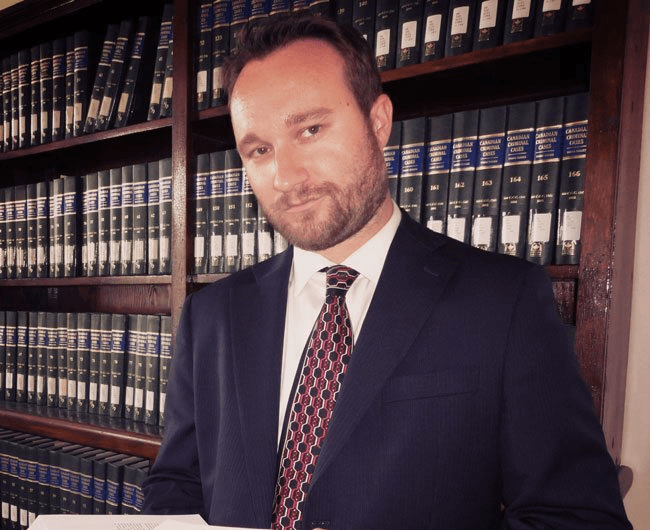
Julian Van Der Walle is the computer crime lawyer Penticton clients call when police arrive with a warrant and take every phone and laptop in the house. He knows search and seizure law well, and that’s usually where these cases are decided.
Police took your devices?
Ask for a lawyer and stop talking, even if police call it informal.
Don’t delete anything. It can become a separate charge.
Keep it private and talk only to Julian about the case.
Criminal law since 2010
Julian Van Der Walle has practised nothing but defence.
Warrants and searches
Where most digital cases in Penticton are won or lost.
Strictly confidential
Julian handles sensitive files quietly.
Call privately
These cases are built on warrants and forensics
Police usually trace online activity to an internet account, then to an address, then get a warrant for a Penticton home. Everything after that, from the forensic image of your phone to the reports about what’s on it, depends on the warrant being valid and the search staying inside it.
That gives the defence a lot to work with. Julian Van Der Walle examines the information police used to get the warrant, checks whether it was accurate and complete, and reviews whether the forensic search went further than the warrant allowed.
The warrant
Julian tests whether the sworn information was accurate and actually justified searching your home.
The forensic search
Julian reviews whether examiners stayed inside the warrant when they went through your devices.
Computer crime charges Julian defends in Penticton
A wide range of Criminal Code offences now rely on digital evidence.
Unauthorized use
Section 342.1, getting into a computer, account or system without permission. Julian challenges the proof of intent.
Mischief to data
Section 430(1.1), deleting, changing or blocking access to data. Julian examines who actually had access.
Intimate images
Section 162.1, sharing intimate images without consent. Julian handles these sensitive files discreetly.
Online fraud
Fraud and identity fraud through email, websites or apps. Julian tests the money trail and the identity evidence.
Section 342.1, explained
342.1
unauthorized use of a computer, the core computer crime offence
10 years
maximum if Crown proceeds by indictment
Hybrid
Crown can also proceed summarily, with much lower penalties
Intent
the Crown has to prove you acted fraudulently or without right
Most 342.1 cases turn on intent and access, which is exactly what a computer crime lawyer Penticton Crown deals with should be testing.
Questions that create reasonable doubt
Linking an account or an address to a person isn’t the same as proving who was at the keyboard. Shared Wi-Fi, shared devices and accounts other people could reach all make that harder for the Crown, and Julian Van Der Walle builds the defence around those gaps.
Julian has the forensic reports reviewed closely to see whether the evidence really ties the activity to you. Some of his results are in Julian’s past wins.
Who used the device?
Others in the home may have had access.
Was the network shared?
Open or shared Wi-Fi weakens the link to you.
Was the warrant valid?
A defective warrant can sink the case.
Did the search overreach?
Evidence found outside the warrant can be excluded.
Why it matters to call early in Penticton
These files carry a heavy stigma, and in a city the size of Penticton word travels. Julian keeps your case confidential and deals directly with Crown at the Penticton courthouse so you aren’t answering questions on your own.
Release conditions in computer cases can bar internet use or certain devices, which can make work impossible. Julian applies to narrow those conditions so you can keep your job while the case goes on. If police want to talk to you first, read what to do when police want to interview you.
Confidential from day one
Julian handles computer crime files discreetly, by phone or video if you prefer.
How Julian handles a computer crime case
01
Free consultation
Confidential, by phone or video, before you say anything to police.
02
Warrant review
Julian examines the information to obtain and the scope of the search.
03
Forensic disclosure
Julian requests device images and reports and reviews them in detail.
04
Resolution or trial
A Charter application, a negotiated outcome or a trial.
Computer crime questions
Julian Van Der Walle answers what Penticton clients ask after police seize their devices.
Police took my phone and laptop. Will I get them back?
Seized devices are usually held until the case ends, and sometimes forfeited after a conviction. Julian can ask about returning devices or data unrelated to the allegation, like work files or family photos.
Should I talk to police if they say they just want to clear things up?
No. Ask for a lawyer and stay quiet. Statements made at the door or at the detachment are often the strongest evidence in these cases, and Julian would rather you say nothing at all.
Can someone else using my Wi-Fi explain the evidence?
Sometimes. Shared networks, devices and accounts can raise reasonable doubt about who was responsible. Julian looks at what the forensic evidence actually shows.
What is section 342.1 of the Criminal Code?
It makes it an offence to use a computer, or get into a computer system, fraudulently or without right. It’s hybrid, with a 10 year maximum on indictment, and intent is usually the fight.
Need a computer crime lawyer in Penticton?
Call Julian Van Der Walle before you speak to police. The consultation is free and stays between you and Julian.
REQUEST A FREE CONSULTATION
Call 1.866.706.8857
Or fill out the form below to receive a free and confidential initial consultation.